
How to Know If You Need It and What to Expect
Professional ear wax removal is one of the most common minor health procedures in the UK, yet many people put it off for months, unsure whether their symptoms are serious enough to warrant help. If your hearing has felt muffled lately, your ears feel full or blocked, or you have noticed a low ringing that will not go away, ear wax build-up could well be the cause. The good news is that it is almost always straightforward to treat, and professional ear wax removal typically brings immediate, noticeable relief.
This guide explains the signs that ear wax may be causing a problem, what happens if you leave it untreated, why home remedies often fall short, and how professional ear wax removal works. If you are based in Newcastle, North Tyneside, or the surrounding area, Earluxe offers safe, qualified professional ear wax removal with home visit appointments and same-week availability.
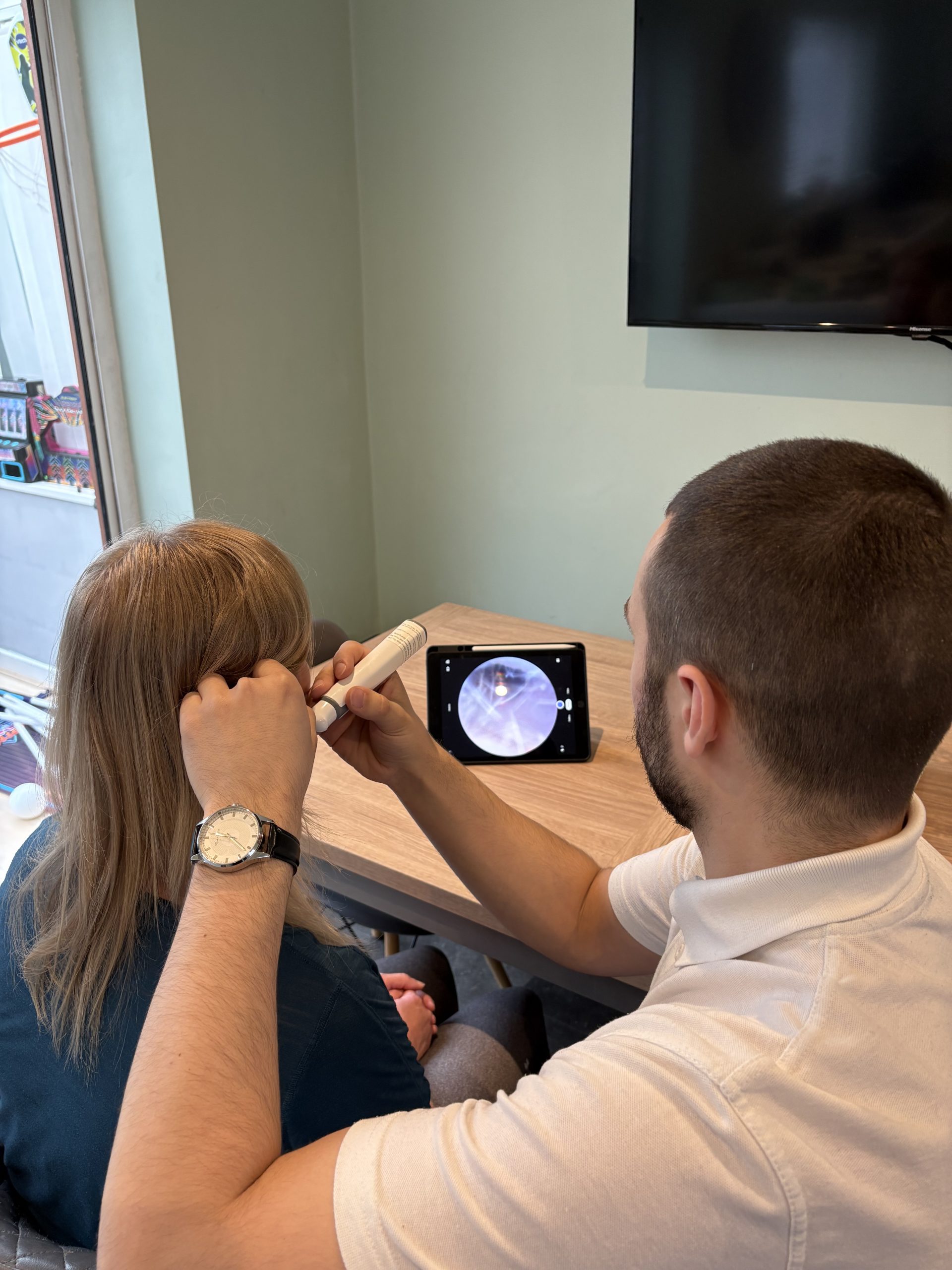
What Is Ear Wax and Is It Actually a Problem?
Ear wax, known medically as cerumen, is a natural and healthy substance. It is produced by glands in the outer part of the ear canal and serves an important protective function, trapping dust, debris, and bacteria before they can reach the more delicate inner structures of the ear. For most people, old wax gradually works its way out of the ear canal on its own without any intervention needed.
The problem arises when this self-cleaning process breaks down. Some people simply produce more wax than others. Others have narrower or more curved ear canals that make natural migration harder. Habits such as using cotton buds, wearing hearing aids, or using in-ear earbuds regularly can disrupt the process further, pushing wax deeper into the canal or preventing it from moving outward as it should.
When wax accumulates and is not cleared, it can harden and compact against the eardrum, causing a range of symptoms that affect hearing, comfort, and quality of life. At that point, professional ear wax removal is the safest and most effective solution.
Seven Signs You May Need Ear Wax Removal
Muffled or Reduced Hearing
One of the most common and noticeable signs of ear wax build-up is a gradual or sudden reduction in hearing. It often feels as though someone has turned the volume down, or as if you are hearing through cotton wool. This can affect one ear or both, and it may come on slowly over weeks or appear to happen quite quickly, particularly after swimming or showering, when water can cause wax to swell and block the canal more completely.
A Feeling of Fullness or Pressure in the Ear
Many people describe impacted ear wax as feeling like something is stuck inside the ear, a persistent sense of fullness or pressure that does not go away. This is caused by wax pressing against the eardrum or lining of the canal. It can be mildly uncomfortable or, in more significant cases, genuinely painful.
Tinnitus, Ringing, Buzzing or Hissing
Tinnitus is the perception of sound in the ear when no external sound is present. It can present as ringing, buzzing, hissing, humming, or clicking, and it can range from barely noticeable to genuinely disruptive to daily life and sleep. Ear wax build-up is one of the most common and treatable causes of tinnitus. In many cases, professional ear wax removal resolves the symptom entirely or significantly reduces it.
It is worth noting that tinnitus can also have other causes, and if symptoms persist after ear wax removal it is worth speaking to your GP. However, ruling out wax as the cause is always a sensible and straightforward first step.
Earache or Mild Pain
Compacted ear wax can cause earache, particularly if the wax is pressing firmly against the eardrum. This discomfort can range from a dull ache to a sharper sensation that comes and goes. Earache can of course have other causes, including infection, so if you are experiencing significant pain it is important to seek professional assessment rather than attempting to treat it yourself.
Itching Inside the Ear Canal
Persistent itching inside the ear is another common symptom of wax build-up. The natural instinct is to use a cotton bud or finger to relieve the itch, but this almost always makes the underlying problem worse by pushing wax further in or introducing bacteria. Professional ear wax removal addresses the root cause rather than the symptom.
Hearing Aids That Are Not Performing as Expected
If you wear hearing aids and have noticed that they do not seem to be working as well as usual, feedback is increasing, or the sound quality has deteriorated, ear wax is very frequently the culprit. Wax can block the microphone or receiver of the aid and also accumulates more quickly in hearing aid users because the device sits in the canal and disrupts the natural outward movement of wax. Regular ear wax removal is an important part of maintaining both your hearing health and your device performance. You can read more about our ear wax removal services and how we support hearing aid users.
A Persistent Cough With No Obvious Cause
This is one of the less well-known symptoms of ear wax build-up, but it is a real one. The ear canal shares a nerve branch with the throat, and in some people, wax pressing against the canal wall can trigger a reflex cough. If you have had a persistent tickly cough that has no obvious respiratory explanation, it is worth having your ears checked.
What Happens If You Leave Ear Wax Untreated?
For some people, ear wax that is not causing symptoms does not need to be removed at all. The ear’s self-cleaning mechanism will often deal with mild accumulation over time. However, once wax has become impacted and is causing symptoms, leaving it untreated can lead to a number of complications.
Prolonged blockage can increase the risk of ear canal infection (otitis externa), as trapped moisture and debris create conditions in which bacteria or fungal organisms can thrive. Persistent pressure on the eardrum can in rare cases cause or worsen tinnitus over the longer term. For hearing aid users, untreated wax build-up can cause damage to the aid itself as well as deteriorating hearing outcomes.
From a practical standpoint, impacted ear wax rarely resolves on its own once it has reached the point of causing symptoms. Professional ear wax removal is almost always needed, and the sooner it is carried out the more straightforward the procedure tends to be.
Why Home Remedies Are Often Not Enough
It is natural to try to manage ear wax at home before seeking professional help, and there are some methods that can be genuinely useful in mild cases. However, it is important to understand their limitations.
Olive Oil or Ear Drops
Softening drops such as olive oil, almond oil, or over-the-counter sodium bicarbonate drops can help to loosen mild wax accumulation, making it easier for the ear to clear itself naturally. Used consistently for five to seven days, they can be effective for minor build-up. The NHS recommends softening drops as a first step for mild symptoms. However, drops will not shift hardened or impacted wax, and if your symptoms are significant or persist after a week, professional ear wax removal is the appropriate next step. Drops are also not suitable for people with a perforated eardrum or a history of ear surgery.
Cotton Buds
Cotton buds are one of the most commonly used and most frequently counterproductive home remedies for ear wax. Rather than removing wax, they typically push it deeper into the canal, compacting it against the eardrum and making symptoms significantly worse. They can also cause micro-abrasions to the delicate skin of the canal, increasing infection risk. Cotton buds should not be inserted into the ear canal.
Ear Candles
Ear candles, which involve inserting a hollow fabric cone into the ear and lighting it, are widely available but have no credible clinical evidence supporting their effectiveness. Multiple medical bodies have advised against their use due to the risk of burns to the face, ear canal, and eardrum. They are not a safe or effective alternative to professional ear wax removal.
What Does Professional Ear Wax Removal Involve?
Professional ear wax removal is a straightforward, clinically safe procedure that should cause little or no discomfort when carried out by a qualified practitioner. There are several methods available, and the right one will depend on the nature and extent of the wax build-up as well as your individual ear health history.
Microsuction, the Gold Standard
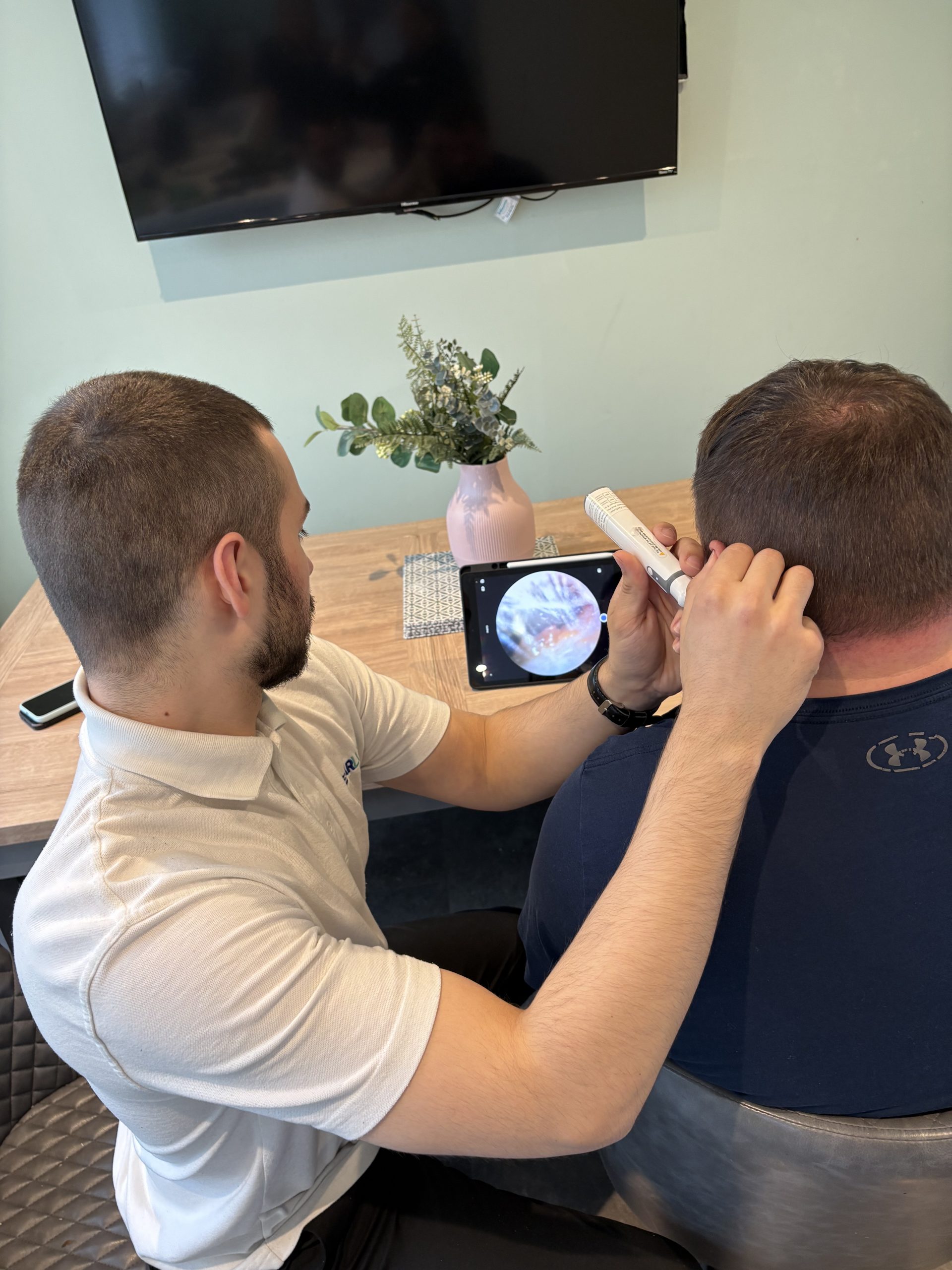
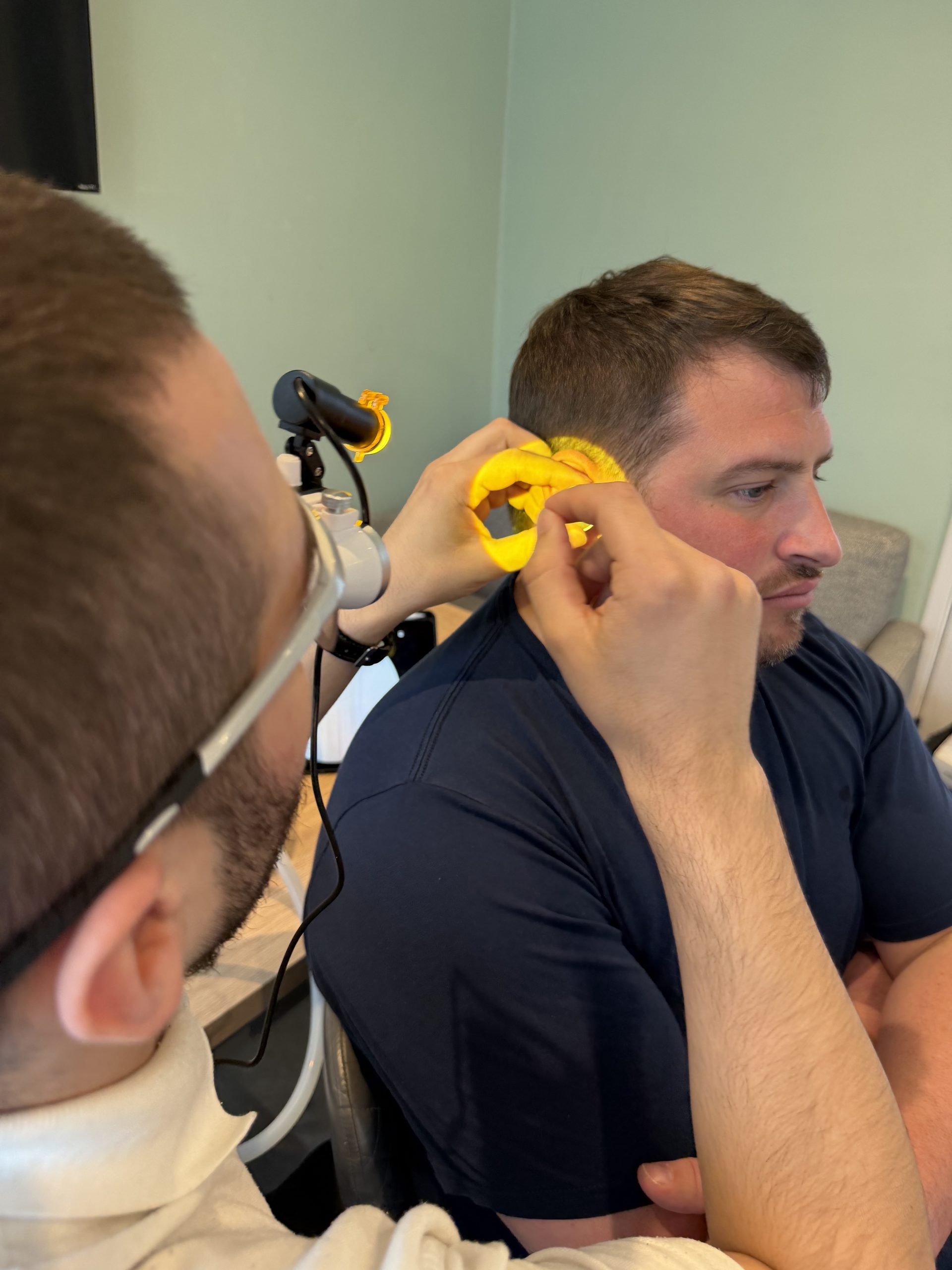
Microsuction is widely regarded as the safest and most effective method of ear wax removal currently available. It involves using a fine, sterile suction probe to remove wax from the canal under direct visual guidance, using a video otoscope or loupes to illuminate and magnify the ear canal throughout. Because no water is involved, it is suitable for the vast majority of patients including those with a history of ear surgery or a perforated eardrum (subject to prior assessment).
The procedure is quick, typically fifteen to thirty minutes, and most patients notice an immediate improvement in their hearing and comfort as soon as it is complete. At Earluxe, microsuction is our primary method of ear wax removal, delivered in the comfort of your own home across Newcastle, North Tyneside, and surrounding areas.
Ear Irrigation
Irrigation uses a gentle flow of warm water to soften and flush wax out of the ear canal. It is a well-established method and effective for softer wax types. It is not suitable for everyone, including those with a perforated eardrum, previous ear surgery, or recurrent ear infections. Your Earluxe practitioner will assess your suitability before recommending any treatment.
Manual Removal
In some cases, particularly where wax is dry and flaky rather than soft, manual removal using fine instruments is the most appropriate approach. This is carried out under direct visualisation and requires a steady, experienced hand. Our practitioner is fully trained in all three methods and will select the most suitable approach for your individual situation.
Is Ear Wax Removal Painful?
This is one of the questions we are asked most often, and the honest answer is that professional ear wax removal is very rarely painful when carried out correctly. Microsuction can produce a loud suction sound that some people find startling at first, and there may be a brief sensation of movement or mild discomfort if wax is particularly compacted. However, the vast majority of our patients tell us the procedure was far more comfortable than they expected, and many are surprised by how quick it is.
If you are nervous about the process, please do say so when you book. We routinely work with anxious and first-time patients and will always take the time to explain exactly what we are doing and check in with you throughout the appointment.
How Often Does Ear Wax Need to Be Removed?
This varies considerably between individuals. Some people only ever need ear wax removal once or twice in their lifetime. Others, particularly those who naturally produce more wax, hearing aid users, and regular earbud users, may find that a routine appointment every six to twelve months keeps their ears consistently comfortable and their hearing consistently clear.
If you find yourself experiencing symptoms repeatedly, it is worth discussing a maintenance schedule with your practitioner rather than waiting until symptoms become significant each time. Preventive ear care is more comfortable and often more cost-effective than leaving build-up to reach the point of impaction.
Why Choose Earluxe for Ear Wax Removal
Earluxe is a professionally qualified, fully insured ear care specialist with over 200 five-star Google reviews from patients across Newcastle, North Tyneside, and the surrounding region. We offer home visit ear wax removal appointments across the area, bringing clinical-grade microsuction directly to your door at a time that suits you.
Qualified and Fully Insured
Our practitioner holds full professional qualifications and is fully insured. We use only sterilised, medical-grade equipment on every visit and adhere to the highest clinical standards throughout. Our reputation has made us a trusted choice for local care homes and residential settings as well as individual patients.
A Consultative, Patient-First Approach
Every appointment begins with a careful consultation. We listen to your symptoms, take a thorough history, and examine your ears before recommending any course of action. We never rush, we always explain what we are doing, and we tailor every appointment to the individual. Many of our patients tell us they were nervous beforehand and that the experience was far more straightforward and reassuring than they had expected.
Home Visits Across Newcastle and North Tyneside
There is no need to travel, find parking, or sit in a waiting room. We come to you, fully equipped, and our appointments are flexible to fit around your schedule. We cover Newcastle upon Tyne, Gosforth, Jesmond, Gateshead, Wallsend, North Shields, Whitley Bay, Tynemouth, Monkseaton, Cramlington, Blyth, and all surrounding areas.
Fast Relief, Same-Week Appointments
We understand that blocked ears are uncomfortable and disruptive. We offer same-week appointments in most cases, so you do not have to wait weeks for relief. Pricing starts from £40 for a single ear and £65 for both ears, with no hidden fees and no GP referral required.
If you are experiencing any of the symptoms described in this article, do not wait for them to resolve on their own. Professional ear wax removal is quick, safe, and effective, and relief is usually immediate.
Earluxe provides professional ear wax removal across Newcastle upon Tyne, Gosforth, Jesmond, Heaton, Fenham, Walker, Byker, Westerhope, Kenton, Kingston Park, Denton Burn, Scotswood, Benwell, Gateshead, Wallsend, North Shields, Whitley Bay, Tynemouth, Monkseaton, Cullercoats, Cramlington, Blyth, Seaton Delaval, Seaton Sluice, and the wider North Tyneside area.
To find out more or to book your appointment, please visit earluxe.co.uk or Contact Us directly.